Square Neighborhoods on Cash App: Is It Actually Worth It for Food Businesses?
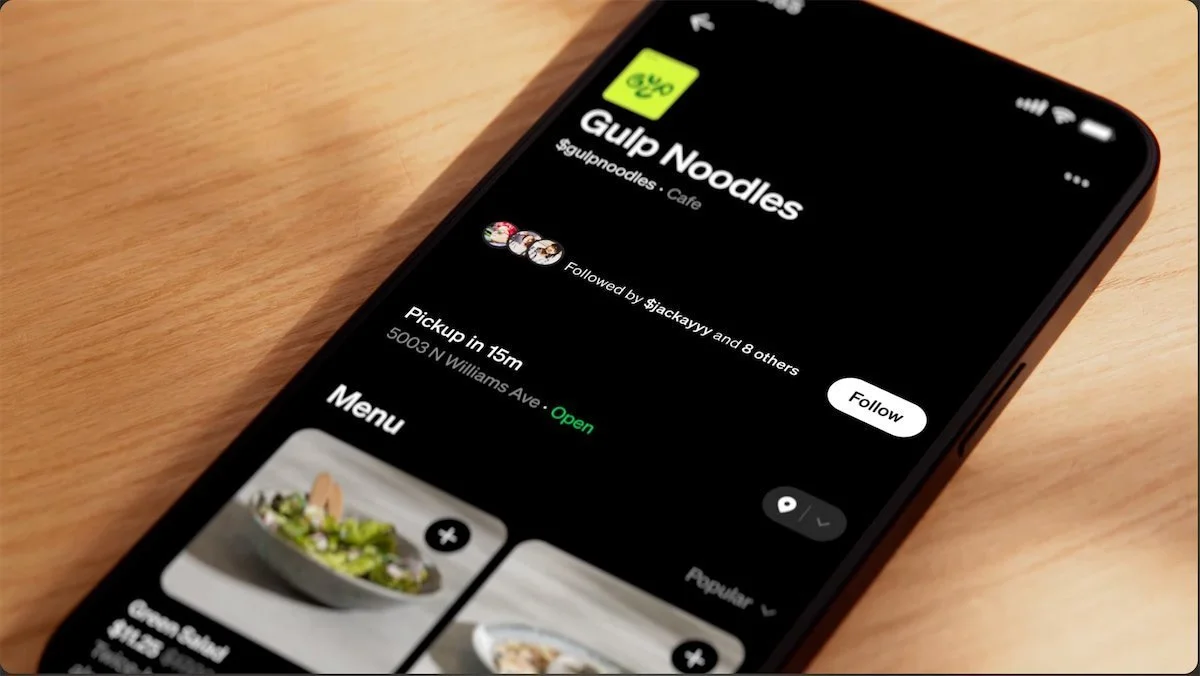
I don’t get excited about new “features” for food businesses very easily.
Most of the time, they sound great until you look at the fees, the fine print, or the extra work they create.
Square Neighborhoods on Cash App caught my attention not because it’s obviously amazing, but because it’s… interesting.
Lower processing fees. Built-in rewards. Direct ordering.
Also: a 10% Local Cash reward that comes out of your revenue.
So instead of pitching this as a no-brainer, let’s look at how it actually works and when it might (or might not) benefit a food business using Square.
What Is Square Neighborhoods on Cash App?
Square Neighborhoods lets customers order directly from your business through Cash App while everything on your end still runs through Square.
There’s no third-party marketplace dashboard and no extra tablets.
At a high level:
Customers order pickup or delivery through Cash App
You pay 1% processing on Cash App orders
Customers can follow your business
Customers earn 10% back in Local Cash
Rewards are only a cost when they’re redeemed at your business
This is currently available to select Square food and beverage businesses in the U.S.
The Part That Deserves a Pause: How the 10% Local Cash Works
This is the most important thing to understand.
With Square Neighborhoods, the 10% Local Cash reward works like a discount at checkout.
That means:
The customer pays less
You receive the reduced total
The “reward” amount is the portion you cover
You do not get paid the full amount and reimburse Square later.
However:
You only cover rewards when customers actually redeem them at your business
Your total monthly exposure is capped based on how much Local Cash customers earned from you
Example 1: Simple Order
A customer places a $30 pickup order and redeems $3 in Local Cash.
What happens:
Customer pays $27
You receive $27
The $3 is the reward you covered
There’s no delayed credit or adjustment later. That reduction is real.
Example 2: When the Reward Brings Someone Back
Let’s say you run a café.
A customer:
Hasn’t ordered in over a month
Follows your business on Cash App
Gets prompted to use their Local Cash
Comes back and redeems $4
You made:
A slightly smaller sale
From a customer who might not have returned otherwise
The real question becomes:
Would you rather make a smaller sale, or no sale?
That answer depends entirely on your margins and volume.
Example 3: What If They Earn Rewards Somewhere Else?
This part feels counterintuitive at first.
A customer earns $5 in Local Cash at a pizza shop down the street.
They redeem that $5 at your bakery.
The idea is you:
Cover the $5 discount
Gain a new customer
Gain a follower
Here’s the key guardrail:
You’ll never pay more in Local Cash rewards than what customers earned at your business that month.
So if customers earned $80 in Local Cash from you in June, $80 is your maximum exposure for June.
The Neighborhood Effect (Why This Exists at All)
This is where Square Neighborhoods is trying to do something different.
Big chains win digitally because they have:
Sophisticated mobile apps
Built-in loyalty programs
Direct access to customers’ wallets
The ability to keep customers inside their ecosystem
Most local food businesses can’t build or maintain that kind of app. Even if they could, customers aren’t going to download and manage dozens of separate apps just to support local spots.
Neighborhoods is Square and Cash App’s attempt to close that gap.
Instead of every business needing its own app:
Customers already have Cash App
Businesses get app-like ordering, rewards, and follow features
Rewards can move across nearby businesses, encouraging people to keep spending locally
The idea isn’t that one business wins big.
It’s that local businesses collectively compete better against national chains that dominate digitally.
Whether that plays out in your neighborhood is something only testing will answer.
How This Compares to Other Options
Third-party delivery apps
25–30% commissions
Paid on every order
Little ownership of the customer
Running your own 10% promo
Often used by people who would’ve ordered anyway
No built-in cap unless you enforce one
No network effect
Square Neighborhoods
1% processing on Cash App orders
Up to 10% discount only when redeemed
Monthly cost is capped
Orders, customers, and data stay in Square
This doesn’t make it better by default.
It makes it more controlled and more transparent.
Who This Might Make Sense For
This could be worth testing if:
You already use Square Online Ordering
You want more repeat customers
You’re trying to reduce reliance on delivery apps
You’re willing to monitor margins monthly
It may not be a fit if:
Your margins are extremely tight
Any discounting feels risky
You don’t want another lever to manage
My Neutral Take
This isn’t a silver bullet.
It’s also not a gimmick.
Square Neighborhoods is best viewed as a controlled experiment:
Lower fees, clearer customer ownership, and predictable limits, with the tradeoff of intentional discounting.
For some food businesses, that tradeoff will make sense.
For others, it won’t.
Getting Started
If you’re curious and want to see whether your business is eligible, Square has laid everything out here:
Even if you don’t turn it on right away, understanding how this works puts you in a better position to decide what’s right for your business, not what sounds good on paper.
Disclaimer: This content is informational only. Features and costs can change, so always fact-check with Square.